Iboga Retreat
Understanding the plant

What is iboga? The plant, the medicine, the Bwiti tradition

Before you can understand an iboga retreat, it helps to understand iboga itself — the plant, where it comes from, and why it has never been just a substance.
Here is what iboga plant medicine actually is, and how it differs from ibogaine.

See the 1–8 November 2026 retreat →

What is iboga, exactly?

Iboga is the common name for Tabernanthe iboga, a shrub native to the equatorial forests of Central Africa. Its root bark has been used for centuries — most prominently in Gabon — as a plant medicine for initiation, healing and reconnection with self and ancestors. In that sense, iboga plant medicine is not a modern discovery; it is one of the oldest continuously practiced sacred traditions on the continent.

The root bark contains a wide family of alkaloids, the best known of which is ibogaine. But iboga, as used in ceremony, has always been more than a single compound — it is a whole plant, prepared and administered inside a specific tradition.

In short

Iboga is a plant. Ibogaine is one alkaloid inside it. The ceremony is neither — it's the tradition that turns the plant into medicine.
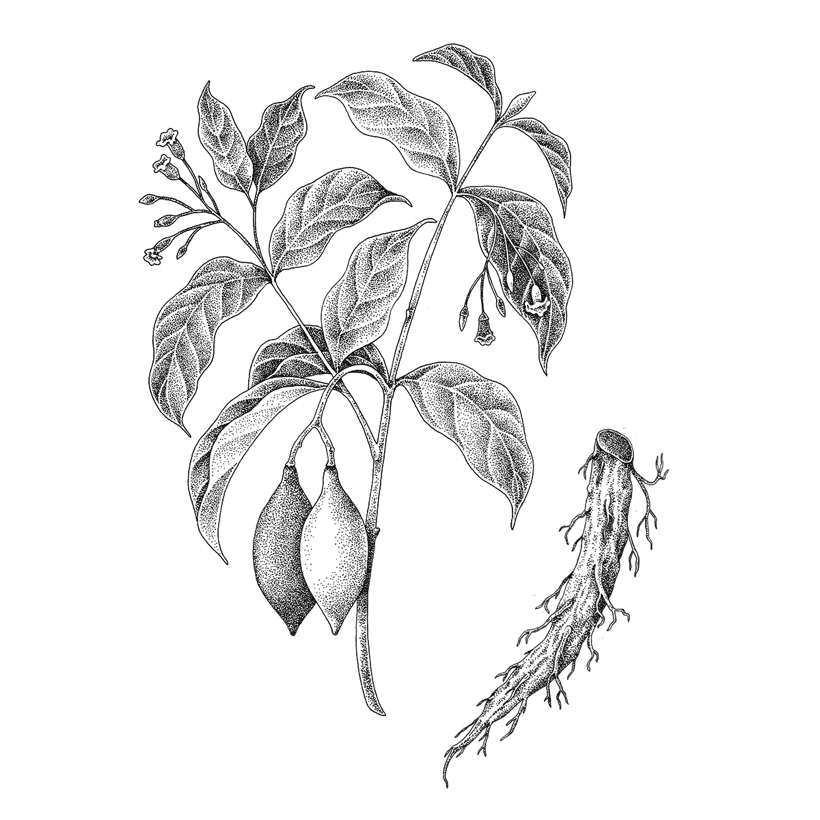
Botanical sketch of Tabernanthe iboga, the shrub behind iboga plant medicine
Tabernanthe iboga — the shrub behind the medicine.

Where iboga comes from — Gabon and the Bwiti tradition

Iboga's home is Gabon, in Central Africa, where it sits at the center of the Bwiti spiritual tradition. Bwiti is a lineage of initiation — often referred to as Missoko in its healing branch — in which iboga is taken as a sacrament to cross into deeper states of consciousness, meet the ancestors, and be initiated into a way of seeing that continues long after the ceremony ends.

This isn't incidental context. The reverence, the initiated healers, the songs and rhythms passed down through generations, and the relationship with the ancestors are what the Bwiti tradition actually offers — the plant is how you arrive there. Read more on why the ceremony is the part that heals →

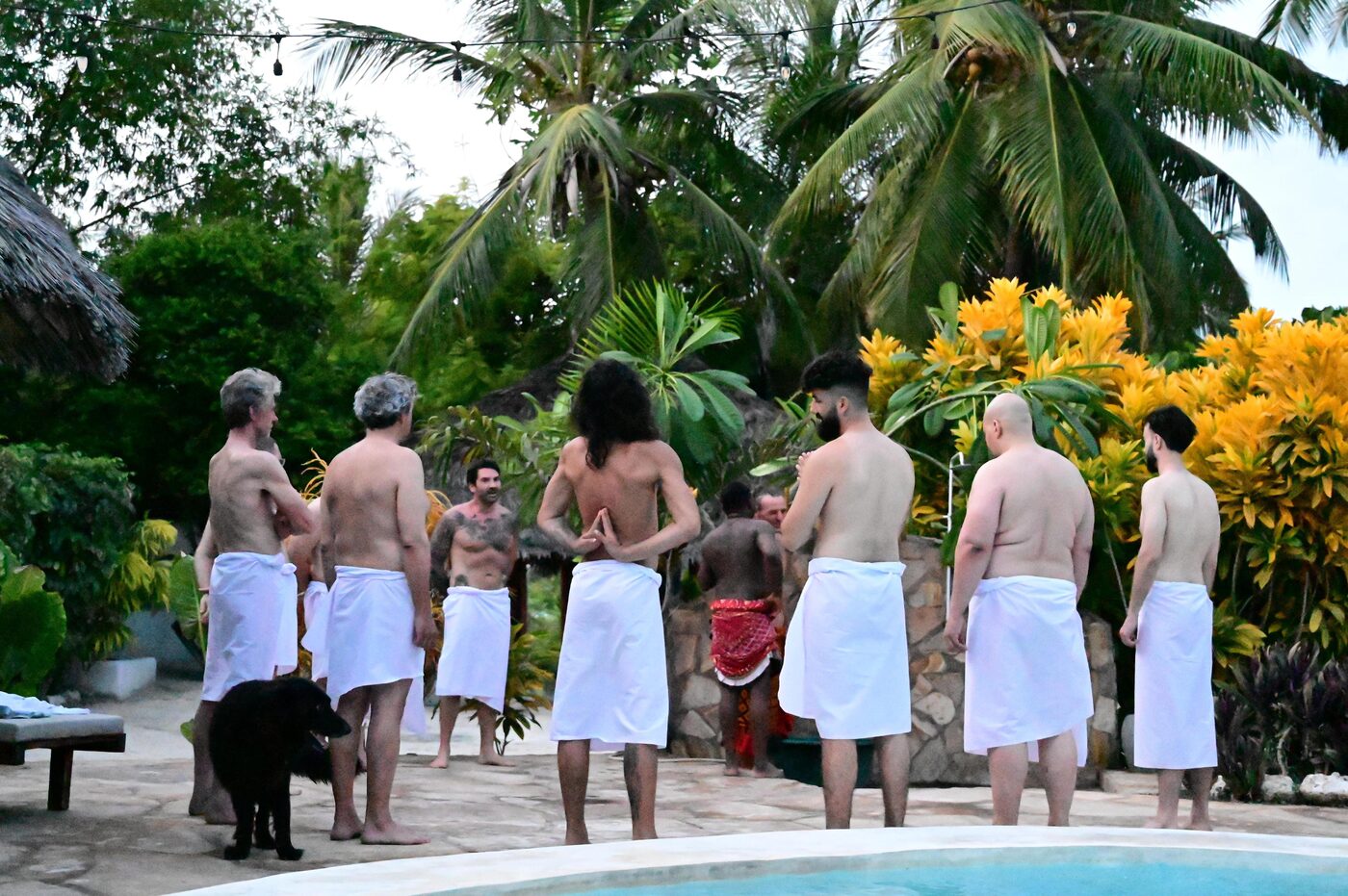
A moment from the retreat's ceremonial space, held in the Bwiti tradition
The Bwiti tradition, carried from Gabon to Zanzibar.

Iboga vs ibogaine — what's the difference?

The two words are often used interchangeably, and that causes real confusion. Iboga refers to the whole plant — most often its root bark — used inside a ceremonial tradition, principally Bwiti. Ibogaine is one specific alkaloid found in that root bark, and it's the compound that has been isolated, studied and, in some clinical settings, purified for research and treatment purposes.

In practice this means two different contexts for what is, at the root, related medicine: a traditional ceremony held inside Bwiti, with a whole plant and a whole tradition around it, and a clinical or research setting working with a single purified alkaloid. Recent studies — including Stanford's Nature Medicine research (2024) on veterans — study ibogaine specifically, under cardiac screening and medical supervision. See what that research actually found →

Our retreat holds the ceremony inside the Bwiti tradition described above — the same lineage this page is about, not a stripped-down clinical protocol.

The plant as vehicle, the ceremony as the healer

Ask the healers who lead these ceremonies and most will tell you something that surprises newcomers: it's not the plant, on its own, that heals. Iboga is the vehicle — the vessel that carries you to the threshold. What reaches the soul and the mind is everything held around it: the ceremony, the music, the ritual, and the guidance of initiated healers and ancestors.

This is the frame we hold at every retreat, and it's worth understanding before you consider an iboga ceremony anywhere. See what a ceremony night is actually like →

Respecting the tradition

Because iboga's power comes from its tradition, who leads the ceremony matters enormously. At our retreat, the ceremony is led by two healers initiated into the Bwiti tradition in Gabon — Tembo (Nzambe Divanga) and Julie (Mudanga) — both also trained as psychotherapists, so what the tradition opens can be met and worked with afterwards, not just witnessed.

A retreat that offers iboga stripped of any ceremonial container, without initiated guidance, isn't offering the same thing this page describes. See what to check before you choose a retreat →

Common questions about iboga

Is iboga the same as ayahuasca?

No. Iboga is native to Central Africa and belongs to the Bwiti tradition of Gabon; ayahuasca is an Amazonian plant medicine with its own separate lineage and tradition. They are different plants, different regions and different ceremonial frameworks.

Does iboga cure addiction or depression?

No — and no serious facilitator will tell you otherwise. Iboga creates a context for healing; it does not replace medical or psychological care. See what iboga can support →

Is iboga legal?

Legal status varies significantly by country. Our retreat is held in Zanzibar, Tanzania, within the Bwiti ceremonial tradition described on this page. See our FAQ for the specifics →

See the full retreat

Dates, price, what's included, who leads the ceremony and how to apply for an interview — all the details of the next edition are on the main page.

The 1–8 November 2026 retreat →
Places limited to 12, by interview.
Continue