Areas where iboga can support healing
People come to an iboga retreat for different reasons. Most often, the experience opens work on one or more of the following areas:
- Depression, anxiety, burnout, PTSD.
- Addiction — alcohol, drugs, pornography, gambling, food, compulsive behaviours.
- Trauma from abuse, abandonment, violence, neglect.
- Guilt, shame, self-criticism, anger, self-sabotage, self-limiting beliefs.
- Stopping the perpetuation of transgenerational trauma.
- Resetting the reward–punishment circuits in the brain.
- Connecting with a higher level of spirituality.
- Reconnecting with your own body and authentic self.
- A deeper understanding of self.
Iboga and addiction
Iboga is often discussed for its potential to interrupt addiction patterns, and many come seeking support with alcohol, substances or compulsive behaviours. It is not a guaranteed remedy and does not replace medical treatment — but alongside psychotherapy and integration, it can be a powerful turning point. Certain substances and medications must be stopped safely before the ceremony; we discuss this in the interview.
Why integration matters
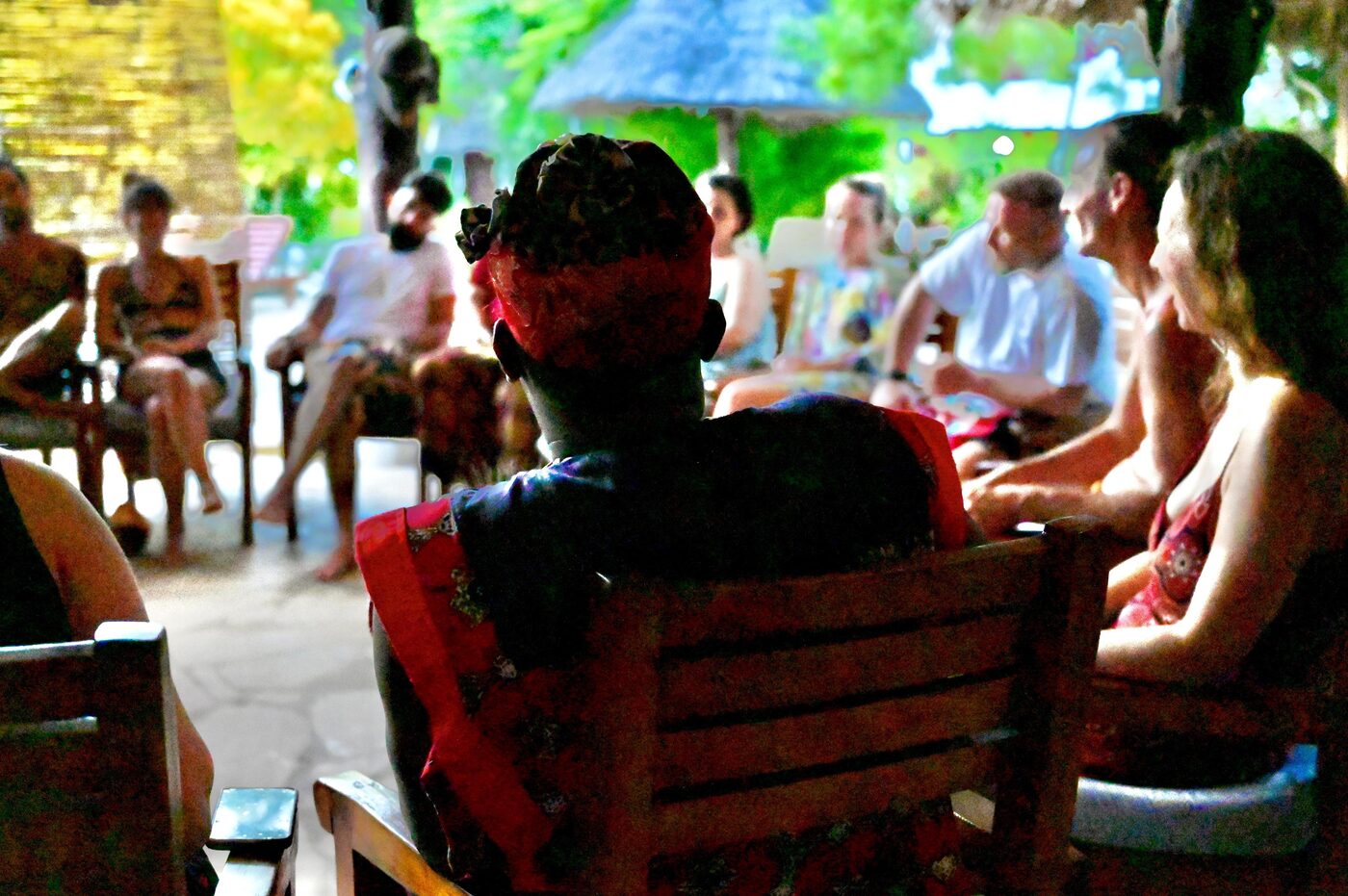
A ceremony is not enough. What opens during the experience only takes root through integration — guided reflection, psychotherapy and time to rest. That is why every retreat combines preparation, ceremony and integration. See also what the research says about this process.
A note on safety
Iboga requires cardiac screening and is not suitable for everyone. Every applicant goes through an interview, a health questionnaire and a recent ECG. Antidepressants (SSRIs), sleeping pills and certain conditions can contraindicate participation.